Call Us:

Low Boiler Pressure - Causes & How to Fix It Yourself
- Pressure gauge:
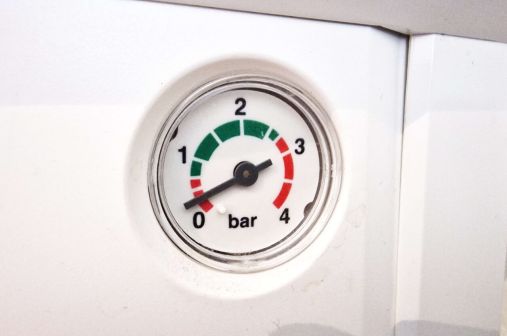
- Start by checking the pressure gauge on your boiler. It should typically read between 1 and 1.5 bar when the system is at rest. If the pressure is significantly below this range, it indicates low boiler pressure.
- Water supply:
- Ensure that the water supply to the boiler is turned on and the valves are fully open. If the water supply is restricted, it can cause low pressure.
- Water leaks: Check for any visible water leaks around the boiler or the associated pipes. Even small leaks can lead to a gradual loss of pressure over time.
- Radiators and bleed valves: Inspect all the radiators in your heating system. If there are cold spots or air trapped in the system, it can cause pressure loss. Bleed the radiators using the bleed valves to release any trapped air.
- Pressure relief valve: Locate the pressure relief valve on your boiler. This safety valve is designed to release pressure if it becomes too high. Check if the valve is leaking or if it has been discharged. A faulty pressure relief valve can cause pressure fluctuations.
- Expansion vessel: The expansion vessel is responsible for accommodating the expansion of water as it heats up. If the vessel is faulty or has lost its pressure charge, it can result in low boiler pressure. Consult the manufacturer’s instructions to check and recharge the expansion vessel if necessary.
- Filling loop: Some boilers have a filling loop, which is a connection point to manually increase the boiler pressure. Check if the filling loop valves are closed properly or if there are any leaks in the connection.
- Blocked pipes or heat exchanger: Inspect the pipes and heat exchanger for any blockages or obstructions. Accumulated debris or mineral deposits can restrict the water flow, leading to low pressure.
- Boiler system pressure settings: Consult your boiler’s manual to ensure that the pressure settings are correctly configured. Incorrect pressure settings can cause fluctuations and low pressure.
- If you’ve checked these nine points and are still experiencing low boiler pressure, it’s recommended to contact a qualified heating engineer or a professional technician to diagnose and fix the issue. They will have the necessary expertise and tools to identify the specific problem and provide the appropriate solution.
How to locate and top up low boiler pressure with external filling loop.
Locating external boiler filling loop
This is as seen above in the picture normally with two black levers and a braided hose. Now the filling loop is usually close to the boiler, in most instances it will be located underneath the boiler and connected to the cold water inlet pipe and central heating return pipe. Sometimes the fillling loop can be found in an airing cupboard or a kitchen unit normally under the sink.
Topping up the boiler pressure
As seen in the top picture the boiler pressure has dropped into the red zone which may cause the boiler to fault or lockout. This will stop the boiler from working and it will normally display a fault code Example: Baxi Duo tec 24 he a ‘E119’ Fault code.
To top up the pressure back into the green zone you have to turn both black levers slowly which will allow water into the boiler. Keep an eye on the pressure gauge and shut both levers off once the pressure is between 1-1.5 bar as seen above. You may need to restart the boiler to clear the fault and get your boiler working.
To now test the boiler simply open up your hot tap if you have a combi boiler or switch on the heating demand for heat only/system boilers. If even with the pressure now between 1-1.5 bar the boiler fault still persists then it may be time to call a boiler expert to diagnose additonal faults.
Some faults that cause low boiler pressure
Prv Leaking/dripping
The most common cause for low boiler pressure is the Pressure Relief Valve (PRV) dripping or passing. As seen in the image (right image) above the pressurised water from the boiler slowly dripping from the Blow off ( pictured left). The blow off is normally located on an external wall close to the boiler location, you will normally elbows with the it facing the wall.
If you find you are topping up your boiler pressure regularly then this is the most likely cause, you can check by locating the blow off and if it is leaking/dripping then the Prv is most likely needing to be replaced. This must be done by a Gas Safe registered engineer.
Expansion issue
An expansion vessel is an essential component in a closed-loop heating system, such as a central heating system or a boiler. Its primary function is to accommodate the expansion and contraction of the water or fluid inside the system as it heats up and cools down. By providing a space for the increased volume of water, the expansion vessel helps maintain a stable pressure within the system, preventing damage to the pipes, fittings, and other components.
However, issues can arise with expansion vessels, which may lead to problems within the heating system. One common problem is a low boiler pressure. If the expansion vessel’s diaphragm becomes damaged or fails, it can result in waterlogging, where the vessel is filled with water instead of having an air cushion. This leads to a loss of the vessel’s capacity to accommodate the expanded water, causing pressure fluctuations and potentially triggering safety features like pressure relief valves.
Another issue is an excessive pressure build-up within the system (image above). If the expansion vessel’s pressure relief valve malfunctions or is blocked, it can lead to a dangerous increase in pressure, which may result in leaks, pipe bursts, or damage to other system components.
In both cases, it is crucial to address expansion vessel issues promptly. Repairing or replacing the expansion vessel, along with proper maintenance of the heating system, can help restore its functionality and prevent further problems. It is advisable to consult a qualified heating engineer or plumber to diagnose and resolve expansion vessel issues to ensure the safe and efficient operation of the heating system.
Boiler Leaking
A boiler leak refers to the escape of water from the boiler system which will cause low boiler pressure. It can occur due to various reasons, including damaged seals, faulty valves, corrosion, or high pressure within the boiler. The consequences of a boiler leak can range from water damage to more severe issues, such as reduced efficiency, increased energy consumption, or even the risk of a boiler breakdown.
Identifying a boiler leak is usually straightforward. Common signs include puddles of water around the boiler, dripping sounds, or a sudden drop in pressure. It’s crucial to address the issue promptly to prevent further damage and potential safety hazards.
Firstly, ensure the boiler is turned off and the water supply is shut off to minimize the leak. It’s advisable to contact a professional heating engineer or plumber with expertise in boiler repairs. They will inspect the boiler, identify the source of the leak, and recommend the appropriate course of action.
Repairing a boiler leak may involve replacing faulty components, such as seals, valves, or pipes. In some cases, the boiler might need to be drained, repaired, or even replaced if the damage is extensive.
Regular Servicing and maintenance
Regular boiler servicing is essential for maintaining the efficiency, reliability, and safety of your boiler system. It involves a thorough inspection and maintenance of your boiler by a qualified professional. Here are some key points highlighting the importance of regular boiler servicing:
- Efficiency: Over time, boilers can accumulate dust, debris, and mineral deposits, which can affect their efficiency. Regular servicing ensures that these issues are addressed, allowing your boiler to operate at its optimal efficiency, leading to lower energy bills.
- Reliability: Boiler breakdowns can be inconvenient and costly. Through regular servicing, potential problems can be identified and resolved before they escalate into major issues. This helps in preventing unexpected breakdowns and ensures that your boiler operates reliably throughout the year.
- Safety: Faulty boilers can pose a serious safety risk, such as carbon monoxide leaks or fires. Regular servicing includes checks for any potential gas or carbon monoxide leaks, faulty controls, or ventilation problems. This ensures that your boiler operates safely and provides peace of mind for you and your family.
- Warranty Compliance: Many boiler warranties require regular servicing to remain valid. Skipping scheduled servicing may result in voiding the warranty, leaving you responsible for any repair or replacement costs.
- Longevity: Regular servicing can extend the lifespan of your boiler. By identifying and addressing minor issues early on, you can prevent major breakdowns and prolong the overall life of your boiler system.
In conclusion, regular boiler servicing is crucial for maintaining efficiency, reliability, safety, and longevity of your boiler. It is recommended to follow the manufacturer’s guidelines or consult a professional heating engineer to determine the appropriate frequency of servicing for your specific boiler.
For boiler repairs in the west midlands call or book today
Call Today and book your boiler repair on 01827 215 711.
Follow us on social media for more helpful advice and future blogs